How to Choose a Car Wrap London Ontario Shop You Can Trust
Picking a shop for a full wrap or a set of fleet graphics is a bigger decision than it looks from the outside. On the surface you see a bright design and a price. Underneath, you are buying material science, print management, surface prep, installation discipline, and aftercare support. A solid installer in London, Ontario brings all of that together so your car looks sharp on day one and still turns heads two or three winters later. A weak shop leaves you with lifting edges, silvering under the film, washed-out colours, and an awkward conversation when you need help.
I have seen wraps thrive through years of salt spray on the 401, and I have seen wraps fail within months because a rushed installer stretched film over deep recesses on a cold morning. The difference is never luck. It is process, environment, and honesty about what the material can do.
What quality looks like up close
From two parking spaces away, most wraps look good. Pull closer and you start to see the installer’s habits. Clean edges tucked just past the panel break indicate correct trimming and use of knifeless tape. Consistent gloss or satin with no patchy haze tells you the lamination was done right and the surface was degreased. A lack of bubbles or trapped debris means the shop managed dust and took time with each pass of the squeegee. If you peek into door jambs and you see tidy paint-to-film transitions with no jagged cuts, you are likely dealing with a pro.
Ask to see cars at different ages. A shop proud of its work on car wraps London Ontario projects will have clients willing to let you inspect vehicles one year or two years post-install. That is the best evidence money can buy.
Materials that earn their keep
Not all vinyl behaves the same. You want a cast wrap film from a top-tier brand, paired with a compatible cast laminate. In our region, 3M 2080, Avery Dennison Supreme Wrapping Film, and Oracal 970RA are common choices for colour change work. For printed vehicle graphics London installs, 3M IJ180 or Avery MPI 1105 with a matching gloss, luster, or matte laminate perform well. These films conform to curves, can be repositioned without losing tack, and release air through microchannels to reduce bubbles.
Temperature matters. Good film installs between roughly 18 and 25 degrees Celsius. Below that, adhesive gets stubborn and stretching becomes risky. In London’s winter, that means a heated bay is not optional. Reputable shops regulate temperature, humidity, and airflow because they know how small variables become big failures months down the road.
The laminate is your clear coat. Skipping it on a printed wrap saves a little now, then costs you later with scuffs and UV fade. If you are planning a matte or satin look, the laminate also sets that sheen. Make sure your quote lists the film and the laminate by manufacturer and product line, not just “premium vinyl.”
Design that matches the vehicle, not just the screen
A great design team works to the car, not over it. They think about door handles, fuel doors, and the way body lines cut through type and logos. The best layouts keep critical text off high-stretch zones like bumper corners and deep recesses. They also understand local traffic. If your target audience drives behind you on Wonderland Road, rear quarter panels and hatch areas matter more than a front fender flourish.
For commercial wraps and fleet graphics London Ontario businesses need, vector artwork and high-resolution images are non-negotiable. If your logo exists only as a low-resolution PNG, ask the shop to rebuild it in vector and provide you with those files after you pay for the design work. That investment pays off on every future sign, decal, or web use.
Colour management is another tell. A shop with a calibrated print workflow will show you swatch proofs on the actual film with the actual laminate. They do not promise that your Pantone red will magically match on the first try without testing. They will explain gamut limits and how different laminates shift the look, a matte overprint can mute contrast, while a gloss pops it.
The difference between colour change and commercial wraps
Colour change work is like custom paint. Panels are wrapped edge to edge, and often hinges, jambs, and sills get partial coverage or careful finishing to hide paint peeking through. This calls for more disassembly, more tucking, and more labour. When someone quotes a surprisingly low number for a full colour change car wrap London Ontario wide, start asking what they cover and what they skip.
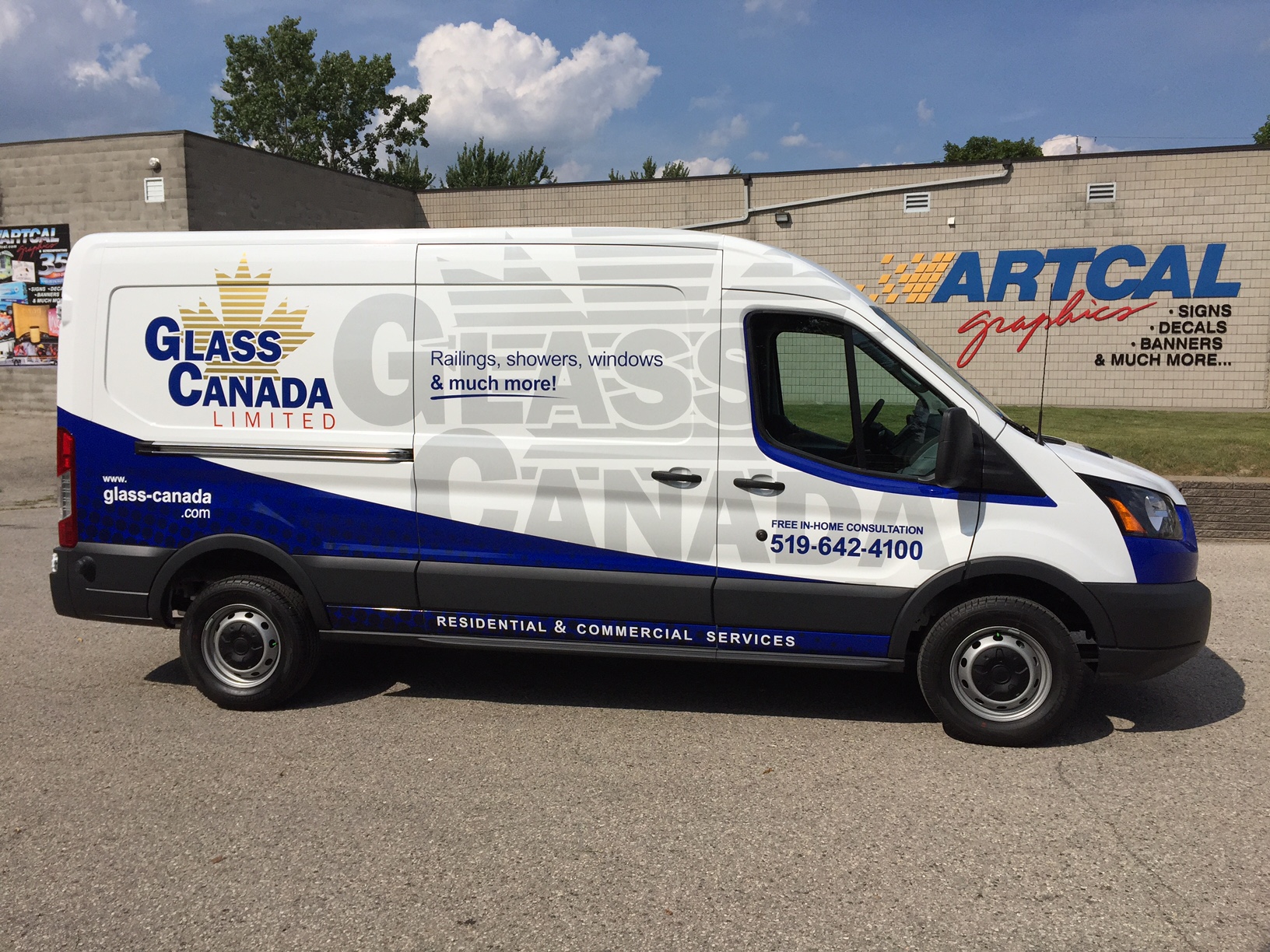
Commercial wraps focus on brand visibility and ROI. The priority shifts toward crisp graphics, clear messaging, and efficient coverage that balances impact with budget. Full coverage is not always necessary. Partial wraps that hit the high-visibility zones can deliver most of the benefit for less money, especially across a fleet.
Shop environment beats flashy front desks
You can learn a lot in a quick walkthrough. Look for a separate, clean install bay without sawdust or overspray floating around. Watch how they store vinyl rolls, ideally upright or on racks away from direct sunlight. See whether tools look organized and clean. An installer who cares for knives and squeegees tends to care for your paint too.
The printer room matters as well. Solvent, eco-solvent, latex, or UV printers all produce excellent results in the right hands, but only if media profiles are tuned and ink is cured correctly. Fresh prints should rest before lamination so outgassing does not cause bubbles weeks later. If a shop admits to printing, laminating, and installing all https://martinbapz839.timeforchangecounselling.com/large-format-printing-services-in-london-ontario-banners-signs-and-more in the same day for every job, that speed could come at the cost of longevity.
Pricing that actually tells you something
In London, Ontario, a full colour change on a standard sedan using a major brand film typically lands in the 3,500 to 5,500 CAD range, depending on disassembly level, film finish, and the car’s shape. SUVs and trucks can range from 4,500 to 7,500 CAD. Printed commercial full wraps often sit in similar ranges because design and print add time, though partial wraps might be 900 to 2,500 CAD, depending on coverage.
Deep discounts can be legitimate during slower seasons, but consistent bottom-of-market pricing usually means compromises. The most common are cheap calendared vinyl instead of cast, no laminate on printed jobs, minimal panel removal, or rushing prep. Good shops make their margin on process control, not by skimping on film.
A short checklist for on-site visits
- Ask to see an active install, not just photos. Watch how edges are trimmed and how panels are heated and set.
- Inspect a vehicle finished at least six months ago. Look for lifting, dirt along edges, or hazing.
- Check how they prep. You should see isopropyl alcohol, panel wipes, clay bars, and tack cloths close at hand.
- Ask where prints rest before lamination. A simple answer that covers curing and outgassing is a good sign.
- Note temperature and dust control. A heated, clean bay with filtered lighting is worth real money.
What a solid process sounds like
When you talk to an installer about car wrapping London Ontario projects, listen for process, not sales gloss. They should explain wash and decontamination. Many will clay-bar and panel prep with alcohol-based cleaners and targeted adhesive removers, then use knifeless tape on sensitive edges. On disassembly, you want measured steps: mirrors, door handles, badges off when necessary, but not ripping apart trim that will creak later. Heat-setting post-install makes or breaks durability in deep channels. If they mention specific temperatures and techniques for different films, they are not guessing.
Certifications, warranties, and what they really cover
Manufacturer certifications like 3M Preferred Installer or Avery Certified Wrap Installer indicate training and a passing score on technique, but you should still judge the work in person. Material warranties usually cover the film against defects, not installation mistakes, and terms vary by colour and climate. In our region, vertical surfaces on a fleet wrap may have a longer warranty than horizontal surfaces like hoods and roofs, which take more UV. Ask for the written terms and what is covered if a seam lifts in six months.
A meaningful shop warranty reads simply: they will fix installation defects within a stated period, often one year. It will not promise miracles if you pressure wash at point-blank range, or if you take a knife to a stubborn bug splat.
Questions that separate pros from pretenders
- Which film and laminate are you proposing, and why that pairing for my vehicle?
- How do you manage print outgassing and colour proofing before lamination?
- What specific prep steps do you take on used vehicles with prior wax or ceramic coatings?
- Where do you draw the line on panel removal, and how do you protect clips and sensors?
- If an edge lifts in a deep recess after two months, what is your fix and how quickly can you schedule it?
London, Ontario specifics that shape the job
Our winters punish film. Road salt, sand, and repeated freeze-thaw cycles attack exposed edges. A good installer will adjust for that with longer overlaps in low-visibility seams, extra edge primer in known trouble spots, and a strong recommendation for edge guards on utility vehicles. They will also schedule installs to avoid extreme cold snaps when a bay cannot hold temperature during door openings.
Road grime hides in wheel wells and rocker folds. If you bring a car straight from a slushy commute and expect a same-day wrap, the shop must either push back or do a double wash and forced-dry routine. The honest answer here is to reschedule. Starting clean beats chasing contamination under the film.
Used vehicles, repairs, and paint risk
Vinyl sticks best to factory paint. Repaints vary widely in quality, and even good ones may not have the same bond to the substrate. If your car had bodywork, tell the shop exactly where. They will test adhesion in an inconspicuous spot and may advise against wrapping certain panels if the paint seems fragile. Removal risk should be written down. On older clear coat that has already failed in spots, vinyl can lift around those edges. It will not fix paint, it will only hide it temporarily.
How long a wrap actually lasts
In London’s climate, a colour change wrap on a daily driver that is washed by hand and not left baking unshaded all summer might look good for 5 to 7 years on vertical surfaces. Hoods and roofs age faster, often 3 to 5 years before you notice dulling, especially with matte and satin textures. Printed commercial wraps tend to be refreshed sooner for branding reasons, commonly at the 3 to 5 year mark. Mileage matters less than washing routine and storage.
If you need the wrap pristine for a specific event cycle, say a three-year lease with a product launch schedule, say that upfront. The shop can spec a film that looks terrific quickly, installs fast, and removes cleanly when you finish, rather than one that optimizes for a decade of life.
Turnaround times without wishful thinking
A well-run shop can design, proof, print, and install a partial commercial wrap within a week once artwork is final, but design approval is the bottleneck more often than the printer. A full colour change on a sedan usually needs two to four days in the bay. Complex vehicles and full disassembly add time. If a shop is busy, you might wait a week or three for an opening. Rushing a schedule tends to steal hours from prep and heat-setting, the two things that keep edges down after your first car wash.
Red flags that should make you pause
If a quote avoids naming the film and laminate, assume they are not proud of it. If they promise to install outdoors or in an unheated garage in January, the adhesive will tell you what it thinks about that in April. If they say they never use knifeless tape on sensitive panels and always cut freehand on paint, they are either overconfident or cavalier. If every photo they show uses heavy filters and you cannot see panel breaks, ask to view raw images or live vehicles.
Another quiet red flag is a shop that never says no. Real pros set boundaries. They will not wrap over rust. They will not put a light-coloured film over a heavily stone-chipped hood without managing your expectations. They will suggest repainting or replacing a panel before wrapping if it is the right move.
Maintenance that protects your investment
Give the adhesive 48 to 72 hours to settle after pickup. Avoid power washing in that initial window. Hand washing is best long term, using pH-neutral soap and a soft mitt. Keep the wand at least a couple of feet away if you must use a pressure washer, and avoid aiming at edges. Bug and tar removers need to be vinyl safe. High-quality ceramic coatings designed for film can make maintenance easier and reduce staining on matte finishes, but ordinary waxes are not a good fit for textured or matte films.
If a corner lifts, do not press dirt back under it. Call the shop while it is clean. A quick reheat and reset often solves it if you catch it early.
Removal and resale
Good film comes off cleaner than cheap film, especially when removed within its service life. Heat helps, and so does patience. Adhesive remover cleans residue without hurting sound clear coat when used properly. If you plan to sell the car and want the original paint presented, schedule removal with the same care you used to install. If the car had questionable paint from the start, ask the original shop to note those concerns, so you have written context later.
Fleet needs and scaling without chaos
If you run a small fleet around London, consistency and uptime matter more than tiny price differences. Look for a shop that documents panel templates for your models, keeps colour management tight across batches, and can schedule installs during off-hours or in phases so you are not sidelining multiple vehicles at once. For graphics London Ontario businesses deploy across different body styles, demand scaled layout proofs to ensure brand elements land in predictable zones.
Inventory management counts too. A shop that stocks your film colours or can get them within a day shortens downtime if a panel gets damaged. Ask how they track lot numbers. If a manufacturer changes a batch slightly, the shop needs to know which car has which roll so a reprint matches.
Comparing quotes without guesswork
Line items make life easier. You want to see design time, print square footage, laminate type, surface prep, panel removal scope, and installation hours. Edging or edge sealers should be called out if used. If one quote is vague and the other is specific, the specific one is usually more honest, even if it reads higher. Bring the better scope back to the other shop and let them revise. A reputable installer does not mind competing on equal terms.
Photos of recent, similar work are fair to request. If your project is a satin green colour change on a Model 3, ask to see exactly that, not a glossy pickup from five years ago.
Timing your wrap around Ontario seasons
Spring and early fall are the sweet spots for installs because ambient conditions help, but a competent shop in London with a controlled bay can deliver year-round. If you store the car through winter, a late fall install still works, you avoid salt during the initial cure, and your wrap looks fresh in spring. Summer sun matters for matte and satin finishes, which show handprints and smudges more when hot. If that worries you, discuss a protective top coat formulated for vinyl.
Sustainability and waste you do not have to ignore
Wraps are not landfill-friendly by default, but thoughtful shops reduce waste by nesting print layouts, using roll ends for small panels or decals, and recycling paper liners and cardboard cores. Latex inks and energy-efficient printers are steps, not solutions, yet they show a mindset that often correlates with quality control. If sustainability is a priority for your brand, ask how they handle offcuts and whether they can provide life cycle information from film manufacturers.
A quick word on legalities
Ontario’s Highway Traffic Act requires that lighting and reflective devices remain unobstructed. You cannot wrap over lights or obscure plate visibility. If you are tinting headlights or taillights with film, ask about the legal limits and the safety implications. For commercial wraps, ensure your CVOR and other required markings remain visible at specified sizes. A shop used to vehicle graphics London wide will know these rules and design around them.
Final thoughts from the install bay
Trustworthy shops tend to look boring on paper. Their quotes read like checklists. Their timelines build in curing and contingency. Their installers talk about panel tension and adhesive flow rather than hype. When a client brings a used truck coated with silicone detail products, they explain the extra prep, then test an area rather than plowing ahead. When a design places small white text across a deep bumper recess, they suggest moving it, not pretending it will hold.
If you are shopping for a car wrap London Ontario provider, take an hour to visit two or three candidates. Touch finished cars, read the fine print, and notice who gives you a straight answer when you ask what could go wrong. The right partner will save you money and reputation in the long run, and your car will look the way you imagined every time you catch it in a storefront window.
Artcal Graphics & Printing — Business Info (NAP)
Name: Artcal Graphics & PrintingAddress: 779 Industrial Rd, London, ON N5V 3N5
Phone: +1519-453-6010
Website: https://www.artcal.com/
Hours:
Monday: 8:00 AM – 4:30 PM
Tuesday: 8:00 AM – 4:30 PM
Wednesday: 8:00 AM – 4:30 PM
Thursday: 8:00 AM – 4:30 PM
Friday: 8:00 AM – 4:30 PM
Saturday: Closed
Sunday: Closed
Open-location code (Plus Code): 2RGM+3R London, Ontario
Map/listing URL: https://www.google.com/maps/place/Artcal+Graphics+%26+Printing+Inc/@43.025226,-81.1680305,17z/data=!3m1!4b1!4m6!3m5!1s0x882eed2ae63a528d:0xc7068af2d391a354!8m2!3d43.025226!4d-81.1654556!16s%2Fg%2F1vm7c2pl?entry=ttu&g_ep=EgoyMDI2MDYwMS4wIKXMDSoASAFQAw%3D%3D
Embed iframe:
Socials (canonical https URLs):
Facebook: https://www.facebook.com/ArtcalGraphics
LinkedIn: https://www.linkedin.com/company/artcal-graphics-&-screenprinting-inc./
Instagram: https://www.instagram.com/artcalgraphics/
https://www.artcal.com/
Artcal Graphics & Printing provides signage and graphic design services for businesses and organizations in London, Ontario and surrounding areas.
If you need custom signs, printed graphics, or design support for marketing materials, the team can help you plan the right format and finish for your project.
Common requests include business signage, interior and exterior graphics, vehicle or window graphics, and printed items used for promotions and day-to-day operations.
Artcal Graphics & Printing serves London and nearby communities throughout Southwestern Ontario.
Hours listed are Monday–Friday 8:00 AM–4:30 PM, with Saturday and Sunday closed.
For directions and listing details, use the map listing: https://maps.app.goo.gl/A2EZfwDigfcN14zA8
To request pricing or share artwork details, call +1-519-453-6010 or use the contact options on https://www.artcal.com/.
Popular Questions About Artcal Graphics & Printing
What types of signage can a sign shop produce?Many sign shops handle items like storefront signs, window graphics, decals, banners, and other custom displays (options depend on materials and project needs).
Do I need a print-ready file to place an order?
Not always—some shops can help with design or preparing artwork, but it’s best to confirm file formats, sizing, and resolution requirements before production.
How long does a signage or print project take?
Turnaround varies based on the product type, quantity, and production schedule. Sharing your deadline early helps confirm timing.
What are the hours for Artcal Graphics & Printing?
Hours listed: Monday–Friday 8:00 AM–4:30 PM; Saturday closed; Sunday closed.
How can I contact Artcal Graphics & Printing?
Phone: +1-519-453-6010
Website: https://www.artcal.com/
Map: https://maps.app.goo.gl/A2EZfwDigfcN14zA8
Landmarks Near London, ON
1) Victoria Park2) Covent Garden Market
3) Budweiser Gardens
4) Western University
5) Fanshawe College
6) Springbank Park